
The Philosophy Behind Debussy’s Open-Air Concept
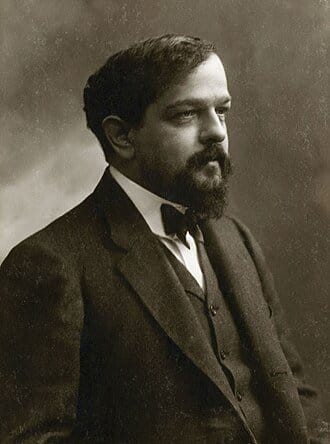
Claude Debussy, a revolutionary figure in the world of music, advocated for a philosophy that challenged the prevailing norms of his time. He believed that music should ascend beyond the constraints of academic traditions and formal structures. This philosophy is encapsulated in his concept of ‘open-air art,’ which emphasizes spontaneity and the boundless qualities of nature. Debussy’s music is characterized by fluidity and freedom, mirroring the organic phenomena observed in the natural environment.
At the heart of Debussy’s philosophy is his belief in the intrinsic connection between music and nature. He perceived musical expression as a reflection of the elements around us—the rustling of leaves, the movement of waves, and the whispering of the wind. Such elements served not merely as inspiration but as the foundation for his compositional techniques. By striving to capture these environmental essences, Debussy attempted to create soundscapes that resonated with the listener’s emotional and sensory experiences.
Moreover, Debussy sought to redefine the purpose of music. He moved away from the concept of music as a mere narrative or thematic structure. Instead, he viewed it as an experience akin to breathing fresh air—a sensory encounter that should evoke feelings rather than tell a story. This approach allowed him to incorporate innovative harmonic structures and non-traditional scales, paving the way for new expressions in music. Utilizing natural imagery as a backdrop for his compositions, Debussy sought to transport listeners into a realm where sound transcended conventional boundaries, embracing freedom and creativity.
Innovative Techniques in Debussy’s Music
Claude Debussy is often celebrated for his revolutionary approach to music composition, particularly during the late 19th and early 20th centuries. His philosophy of open-air music is characterized by a distinct departure from traditional tonal structures, which he sought to transcend by incorporating innovative techniques into his works. A fundamental aspect of his style is the use of non-traditional scales, particularly the whole tone scale and pentatonic scale, which provide a unique sound palette that evokes feelings of freedom and nature.
For instance, in pieces like “La Fille aux Cheveux de Lin,” Debussy utilizes the whole tone scale to create a dreamlike quality, effectively immersing listeners in an ethereal atmosphere. The fluidity of this scale eliminates the tension often present in classical Western music, allowing for a more contemplative listening experience. This approach aligns well with Debussy’s aesthetic, focusing on impressionism and the natural world.
Furthermore, Debussy’s harmonic structures often exhibit a complex layering of chords and unresolved tensions, which contribute to a sense of ambiguity and openness in his compositions. Works such as “Clair de Lune” showcase this technique, where rich harmonic colors and textures create a serene ambiance reminiscent of moonlit nights. His explorations of orchestral color are equally notable; he pioneered the use of instrumental timbres to evoke vivid imagery and emotional depth. In “La Mer,” for example, the orchestration is masterful, capturing the essence of the sea through varied dynamics and instrumentation.
By blending non-traditional scales, intricate harmonic structures, and evocative orchestral color, Debussy’s innovative techniques not only reflect his musical ideals but also serve to engage listeners in an immersive auditory journey. His ability to synthesize these elements encapsulates the spirit of freedom found within his open-air music philosophy, inviting audiences to experience the beauty of nature through sound.
The Influence of Impressionism on Debussy’s Work
Impressionism, a pivotal artistic movement that originated in the late 19th century, significantly influenced Claude Debussy’s musical compositions. This movement, which began in the realm of visual arts with painters such as Claude Monet and Edgar Degas, emphasized the depiction of light, color, and transient moments rather than precise details. These principles, characterized by a focus on evoking mood and atmosphere, translated seamlessly into Debussy’s innovative approach to music composition.
Debussy sought to blur the strict structural lines that dominated previous musical forms, opting instead for a more fluid and organic style. Just as Impressionist painters commonly employed soft brush strokes to depict their subjects, Debussy often utilized non-traditional harmonies and innovative scales, such as the whole tone scale, to create a sense of ambiguity and ethereality in his works. This focus on suggestion over strict definition allowed Debussy to craft music that not only mirrored the essence of the Impressionist movement but also engaged the listener’s imagination.
Furthermore, Debussy’s musical narratives were often inspired by imagery found in nature, akin to the way Impressionist painters conveyed their interpretations of landscapes and human scenes. His compositions, such as “Clair de Lune” and “Prélude à l’après-midi d’un faune,” exemplify this connection, where the music evokes vivid pictures and emotions, inviting listeners into a dreamlike soundscape. Additionally, Debussy’s contemporaneous artists sought to break free from traditional constraints, establishing a shared desire across various art forms to express the fleeting nature of human experience.
Overall, the influence of Impressionism in Debussy’s work is evident in his exploration of tone color, texture, and fluidity, which collectively aim to capture the beauty of ephemeral moments. This synthesis of visual and musical artistry marks a crucial evolution in the development of modern music, underscoring his pivotal role in the transition to the 20th-century musical landscape.
Legacy of Debussy’s Open-Air Philosophy
Claude Debussy’s open-air philosophy marks a pivotal shift in the realm of music composition, heralding a new era characterized by freedom and the authentic representation of nature. Debussy’s emphasis on experience and simplicity paved the way for an array of contemporary artists who strive to capture the essence of their surroundings within their works. As we analyze the impact of Debussy’s music, it becomes evident that his techniques and ideologies continue to echo through various modern genres.
From impressionism to avant-garde, the essence of Debussy’s vision resonates with composers who embrace a similar pursuit of creativity free from traditional constraints. The textures and tones found in Debussy’s pieces often evoke imagery of lush landscapes and serene atmospheres, inspiring modern musicians to translate their own experiences from nature into sound. This inclination has fostered an ever-evolving landscape of music enabling artists to explore fluidity and spontaneity.
In particular, genres such as jazz and electronic music illustrate the heart of Debussy’s philosophy. Jazz musicians often adopt innovative harmonic structures and improvisational techniques reminiscent of Debussy’s tonal explorations. Similarly, electronic music composers harness technology to create immersive soundscapes, much like Debussy’s instincts for embellishing sounds with vibrant colors. This continuum of influence underlines the central role of natural elements in shaping compositions across various styles.
The legacy of Debussy’s open-air philosophy is not limited to compositional techniques; it spans the broader understanding of artistic expression itself. In an ever-evolving world, artists are increasingly drawn to capturing the complexities of human emotion and the intricacies of the environment in their work. Debussy’s initial challenge against convention encourages contemporary musicians to continue forging unique paths, embracing the interconnectedness of sound, nature, and personal expression.
If you would like more information on these topics, explore the following related posts: