
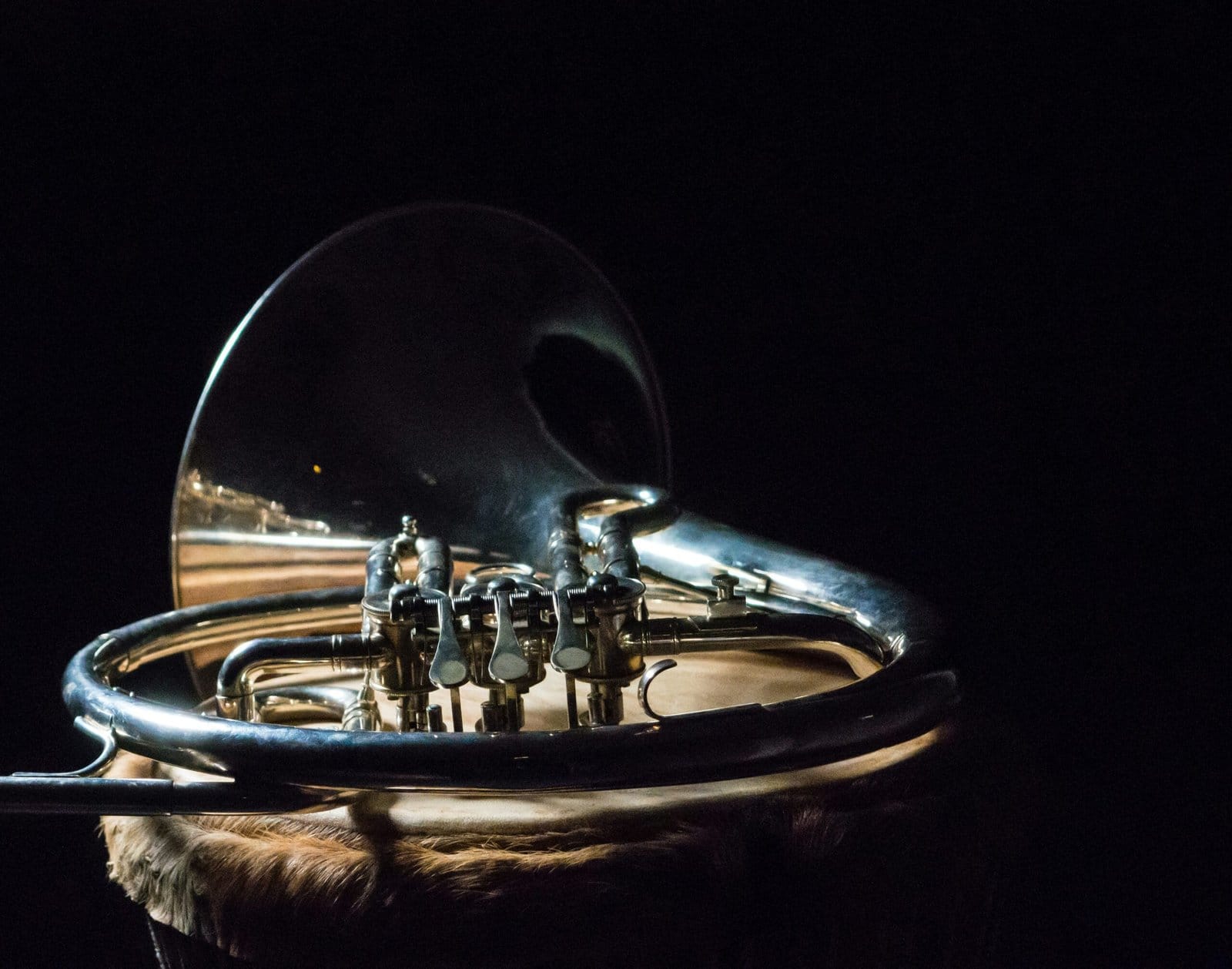
The Origins of the French Horn: From Natural Horns to Valved Instruments
The French horn’s history is a captivating story that dates back to ancient times, primarily originating from simple natural horns that were utilized for hunting and signaling. These initial instruments were crafted from animal horns, making them one of the earliest types of brass instruments. Known for their distinctive and resonant sound, these natural horns did not feature any valves and were limited in the range of notes they could produce.
As time progressed, craftsmanship evolved, giving rise to more sophisticated designs. The introduction of crooks in the 17th century allowed musicians to change keys, enhancing the natural horn’s versatility. Crooks are essentially lengths of tubing that could be added or removed to modify the pitch of the instrument, transitioning it into a more adaptable tool for musicians. This adaptation was crucial, as it utilized the natural harmonic series, enabling performers to play in different tonalities while still retaining the instrument’s signature sound.
Throughout the 18th century, the evolution of the French horn continued with the gradual standardization of its shape and construction. Innovations during this era further enriched the musical possibilities of the horn. As composers began to write more intricate pieces, the demand for a horn that could play a wider range of notes became apparent. In response, the evolution toward valved instruments began, leading to the development of the modern French horn that we are familiar with today. The incorporation of valves around the 19th century represented a pivotal change in horn design, allowing for greater fluidity and control over pitch and tonal quality.
In summary, the journey of the French horn from its rudimentary origins to the modern valved instrument showcases a remarkable evolution driven by changing musical demands and innovative technology. The rich history highlights not only the craftsmanship involved but also the instrument’s significant role in the development of Western music.
The Evolution of Design: From Classical to Modern Era
The evolution of the French horn’s design is a fascinating journey that reflects not only advancements in craftsmanship but also the changing musical requirements throughout history. Originally, the horn was a simple, coiled tube without valves, known for its rich, mellow sound but limited range. This design was predominantly used in hunting and military contexts during the Baroque period, where its role was more functional than musical.
As the classical era emerged, composers began to recognize the potential of the French horn in orchestral settings. Horn players started to add crooks—removable pieces of tubing—to alter the instrument’s pitch and make it more versatile. However, it was the invention of the valve system in the 19th century that marked a significant turning point in its evolution. The introduction of this feature allowed horn players to change notes effortlessly and greatly expanded the instrument’s range and playability.
Prominent figures in the development of the French horn during this period included influential manufacturers like Conn and Yamaha, who began experimenting with different materials and designs. The double horn, with its combination of a F and B♭ side, soon became the standard, offering players greater flexibility. Its design enabled musicians to navigate complex passages with ease, making the horn an indispensable part of orchestral and chamber music ensembles.
Further innovations in materials, such as the use of yellow brass, enhanced the instrument’s tonal quality and durability. Today, the modern French horn is a marvel of engineering, with features that satisfy the demands of contemporary composers while still retaining the warm timbre that has characterized the horn since its inception. The journey of the French horn from a simple hunting tool to a sophisticated orchestral instrument illustrates the interplay of technology, artistry, and musical expression throughout history.
The French Horn in Music: Its Role Across Genres and Composers
The French horn is a versatile instrument notable for its distinct timbre, which allows it to blend seamlessly across various musical genres. In classical music, the horn has maintained a prominent role since its inception, offering both melodic and harmonic support within orchestral settings. Renowned composers, such as Richard Strauss and Gustav Mahler, embraced the unique qualities of the French horn, often writing intricate parts that highlight its ability to produce warm, rich tones. Strauss’s “Ein Heldenleben” and Mahler’s symphonies exemplify the horn’s expressive capabilities, showcasing the instrument as a prominent voice within the orchestral texture.
Beyond classical music, the French horn has found its place in the realm of jazz. With its mellower timbre, it contributes to a distinctive sound palette, often employed in big bands and smaller ensembles. Prominent jazz horn players like Julius Watkins and David B. Williams have explored the instrument’s improvisational potential, bridging traditional jazz aesthetics with the rich harmonic language the horn offers. The adaptability of the French horn in jazz settings demonstrates its capacity to evolve and thrive in diverse musical contexts.
In contemporary music, the French horn has further solidified its versatility by appearing in film scores and popular music. Composers like John Williams have harnessed the instrument’s emotional depth in cinematic compositions, elevating scenes through its majestic sound. The horn’s ability to convey both drama and subtlety makes it an asset in storytelling through music. Moreover, in solo performances or small ensembles, the French horn often takes on solo lines, demonstrating its rich expressiveness and tonal complexity. Overall, the French horn’s contribution to various genres underscores its unique role and the enduring influence of its sound across diverse musical landscapes.
The French Horn Today: Current Trends and Future Perspectives
The French horn, a brass instrument renowned for its rich and warm timbre, continues to evolve in the realms of music education and performance. Today’s educational approaches reflect a blending of traditional techniques with innovative methods, aiming to cater to a diverse range of learners. Creative teaching strategies, interactive technology, and ensemble opportunities are currently being employed to engage students and enhance their learning experiences.
In recent years, developments in pedagogy have emphasized the importance of individualized instruction, allowing instructors to tailor lessons to meet the unique needs of each horn player. Moreover, the use of digital resources such as online tutorials, mobile applications, and video conferencing tools facilitates access to expert teachers, regardless of geographical limitations. This democratization of information is paving the way for a new generation of horn players.
Instrument technology has also seen significant advancements that contribute to the French horn’s growing appeal. Enhanced materials and manufacturing processes have led to the production of lighter, more responsive instruments that cater to the requirements of contemporary musicians. Innovations such as adjustable mouthpieces and custom bell designs further refine the playing experience, enabling musicians to achieve their desired sound with greater precision.
Looking ahead, the future of the French horn seems bright, as a wave of emerging artists is reshaping the instrument’s reputation within modern music. These musicians are incorporating the French horn into various genres, from classical and jazz to pop and electronic music. By pushing the boundaries of traditional performance, they are attracting new audiences and inspiring burgeoning players to explore the horn’s versatility. This dynamic integration into the contemporary music landscape indicates that the French horn will continue to thrive and adapt, ensuring its relevance for years to come.
If you would like more information on these topics, explore the following related posts: