
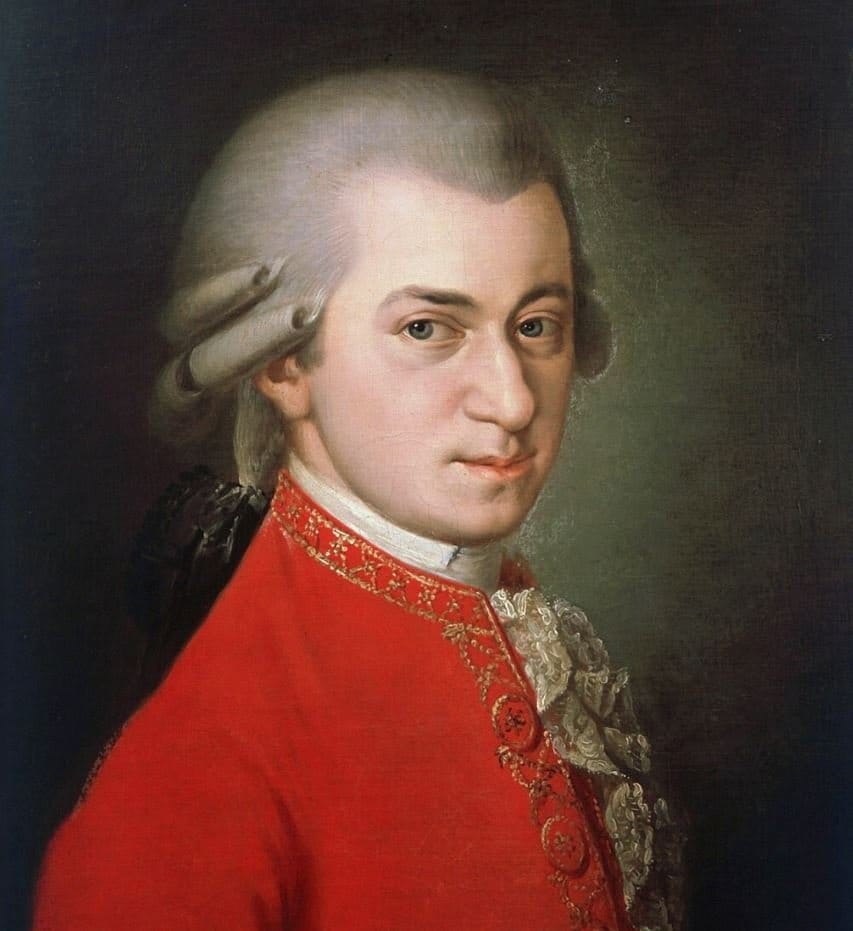
The Context of Mozart’s Life and Work
Wolfgang Amadeus Mozart, born in 1756 in Salzburg, was a prolific and influential composer of the Classical era. His contributions to music are vast, encompassing symphonies, operas, chamber music, and sacred works. However, his creation of the Requiem Mass in D minor, composed in the final year of his life, stands out as a particularly poignant chapter in his career. The Requiem was commissioned by an anonymous patron, and its urgency reflects both Mozart’s awareness of his own mortality and the tumultuous events surrounding him.
At the time of composing the Requiem, Mozart faced significant personal challenges. His health had been declining, a situation exacerbated by financial instability. Despite achieving fame as a composer, he struggled with maintaining a consistent income and was often plagued by debts. These financial concerns weighed heavily on him throughout his life, often overshadowing his artistic endeavors. Moreover, the pressures of public life, juxtaposed against his fragile health, contributed to a complex emotional landscape that imbued his late works with profound depth and intensity.
The Requiem, indistinct in its genesis due to its unfinished state at the time of his death in 1791, is a reflection of not only his artistic prowess but also of the personal turmoil he endured. The work embodies the culmination of his stylistic evolution, showcasing a mastery of counterpoint and emotive expression. His intricate harmonies, along with the dramatic interplay of voices, have led many to consider the Requiem as one of his most powerful statements on life and death. Thus, the context surrounding Mozart’s life, including his celebrated yet fraught career and looming mortality, plays a crucial role in understanding the significance of the Requiem within his body of work.
Wolfgang Amadeus Mozart began composing his Requiem Mass in D minor in 1791, a project that would eventually become one of the most significant works in the choral repertoire. Inspired by the themes of death and redemption, Mozart infused his Requiem with dramatic emotional depth, employing a rich tapestry of motifs that display his mastery of counterpoint. The piece was notable not just for its musical complexity but also for its profound thematic explorations, encapsulating the struggle between despair and hope.
At the time of his death, Mozart had completed the first two sections, the “Introitus” and “Kyrie,” along with segments of other movements, leaving the work unfinished. The Requiem’s incomplete status has led to extensive analysis among musicologists and historians, who seek to ascertain Mozart’s intentions and the stylistic elements he aimed to integrate throughout the piece. The examination of these unfinished sections has sparked debates regarding the authenticity and intended completion of the work, particularly considering Mozart’s reputed belief that he was writing the Requiem for his own funeral.
One compelling element that researchers have analyzed is how Mozart’s orchestration contributes to the solemn yet majestic character of the Requiem. The dramatic use of instrumentation, such as the interplay between the choir and orchestra, accentuates the emotional gravity present in the text. Additionally, Mozart’s choice of key and harmonic language further enhances the evocative quality of the work. This analysis extends to the sections left incomplete, where questions of harmonization, orchestration, and overall musical structure arise, raising the possibility of how these elements might intertwine within the composer’s original vision.
Franz Xaver Süßmayr’s Role in Completing the Requiem
Franz Xaver Süßmayr, a student of Wolfgang Amadeus Mozart, played a crucial role in bringing the Requiem in D minor to fruition after the untimely death of its composer in 1791. Born in 1766, Süßmayr developed an apprenticeship under Mozart, during which he absorbed both the technical and expressive dimensions of music from one of history’s greatest composers. This education uniquely positioned him to undertake the formidable challenge of completing the Requiem, a piece that remained unfinished, shrouded in mystery and emotional intensity.
Upon Mozart’s passing, Süßmayr was faced with the delicate task of interpreting the sketches and notes left behind. His relationship with Mozart, which was both mentor-student and peer, instilled in him a deep understanding of the composer’s intentions and stylistic qualities. Süßmayr relied on various sources, including Mozart’s incomplete scores, to create the final movements of the Requiem. This careful balancing act of honoring Mozart’s vision while applying his own artistic insight defines Süßmayr’s approach.
Süßmayr’s stylistic choices throughout the Requiem have been a point of considerable debate among musicologists. Critics often scrutinize the sections Süßmayr authored, differentiating between elements that reflect Mozart’s authentic voice and those that demonstrate Süßmayr’s interpretation. The orchestration, vocal lines, and overall structure bear traces of both composers, leading to questions about the integrity of the final product. Yet, Süßmayr’s contribution solidified the Requiem’s status as a monumental work in the choral repertoire and revealed the complexities of musical collaboration in the wake of loss.
Debates and Interpretations: The Impact of the Unfinished Requiem
The Unfinished Requiem, attributed to Wolfgang Amadeus Mozart and completed by Franz Xaver Süßmayr, has sparked considerable debate within the realms of musicology and performance. Scholars and musicians frequently engage in discussions concerning the unfinished nature of the work, as it adds an enigmatic layer to its interpretation. Critics argue that the presence of incomplete segments invites a broader range of artistic interpretation, empowering conductors and performers to create unique renditions.
Moreover, as performances of the Requiem evolve, interpretations vary dramatically, influenced by cultural context and the individual style of performing groups. Some conductors adhere closely to Süßmayr’s completion, preserving the integrity of the work as it was performed during the late 18th century. Others, however, are inclined to embrace modern arrangements that infuse the music with contemporary elements, aiming to resonate with today’s audiences. Such variations result in a rich tapestry of performances, each reflecting the artist’s personal connection to the haunting melodies and profound themes of the Requiem.
Additionally, the Requiem’s status in contemporary classical music continues to develop. Its unfinished form not only fuels intrigue but also allows listeners to engage with the music on a deeply emotional level. The work elicits a plethora of feelings ranging from sorrow to contemplation, making it a poignant subject for reflection. Engaged listeners often perceive the Requiem as a mirror, reflecting their own experiences and emotional landscapes. This individuality in interpretation and perception guarantees that the legacy of the Unfinished Requiem remains vibrant and influential, ensuring that Mozart’s music continues to resonate across time and cultures.
If you would like more information on these topics, explore the following related posts: