
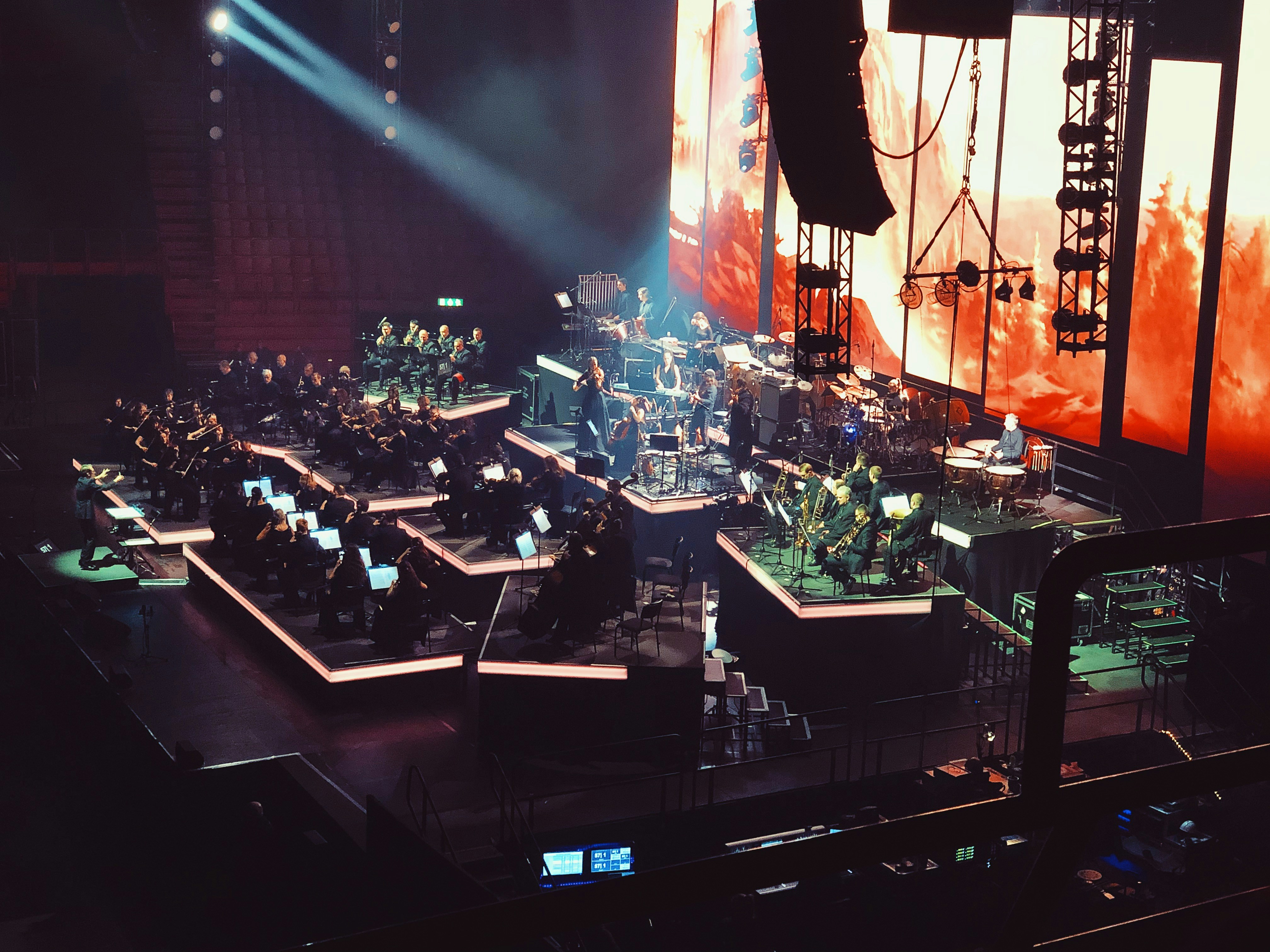
Maurice Ravel is widely regarded as one of the greatest orchestration masters in music history. More than a century after his most celebrated works were composed, his approach to instrumental color, texture, and balance continues to inspire composers working not only in classical music but also in film scoring. His music demonstrates that orchestration is far more than assigning notes to instruments—it is the art of shaping emotion through sound.
As a composer of instrumental, chamber, and jazz music, I often find myself returning to Ravel’s way of thinking. Rather than copying his style, I try to apply the principles behind his orchestration: clarity, transparency, and the expressive possibilities created by carefully balancing instrumental colors.
What Makes Ravel’s Orchestration So Unique?
One of Ravel’s greatest strengths was his extraordinary sensitivity to instrumental timbre. Every instrument in the orchestra has its own personality, and Ravel knew exactly how to combine them to create colors that felt both natural and unexpected.
Instead of relying on the orchestra’s full power, he frequently preferred transparency. Individual lines remain clearly audible, allowing each instrument to contribute its own character while serving the musical whole. This careful balance creates textures that feel rich without becoming dense or overwhelming.
His harmonic language also plays a fundamental role. Extended harmonies, modal colors, and subtle chromatic movement create music that constantly evolves while maintaining remarkable elegance. Combined with refined rhythmic writing, these harmonic choices give his compositions a unique sense of movement and atmosphere.
Perhaps the greatest lesson from Ravel is that orchestration itself becomes part of the composition. The choice of instruments is never an afterthought—it shapes the emotional meaning of every musical idea.
Why Film Composers Still Learn from Ravel
Many techniques commonly associated with modern cinematic music have their roots in composers such as Ravel.
Layering instrumental textures is one obvious example. Rather than presenting every musical idea immediately, film composers often introduce themes gradually, adding new instrumental voices as tension and emotion increase. This approach can be heard throughout countless modern soundtracks.
The careful development of motifs is another shared characteristic. Short melodic ideas evolve during the course of a film, changing orchestration, harmony, or rhythm to reflect the emotional journey of the characters. This technique allows audiences to connect subconsciously with the story while maintaining musical coherence.
Equally important is the use of orchestral color to reinforce visual storytelling. Delicate combinations of strings and woodwinds often accompany intimate scenes, while darker brass sonorities and low strings create tension or mystery. Rather than simply supporting the images, the orchestra becomes an active narrative voice.
Examples in Modern Film Music
Many contemporary film composers have inherited aspects of Ravel’s orchestral thinking while developing their own distinctive voices.
Hans Zimmer frequently builds large emotional climaxes through gradual orchestral layering, allowing simple musical ideas to grow naturally into powerful cinematic moments.
Alexandre Desplat is known for his transparent orchestral writing, elegant textures, and subtle instrumental combinations. His scores often demonstrate how delicate orchestration can be just as emotionally effective as large symphonic gestures.
Thomas Newman creates unique sonic landscapes through unusual instrumental combinations, carefully balanced textures, and restrained orchestral writing that often recalls the clarity found in early twentieth-century French music.
Although each composer has developed a highly personal language, they all demonstrate that orchestration remains one of the most powerful storytelling tools available to modern composers.
How These Ideas Influence My Own Music
While my music has its own identity, I often apply similar orchestral concepts when writing for chamber ensembles and jazz groups.
Rather than seeking orchestral grandeur, I usually focus on transparency and balance. A string quartet or string quintet can create remarkable emotional depth when each instrument has enough space to breathe. Small changes in texture often become more expressive than constant density.
This approach can be heard in works such as Forgotten Castle, where chamber writing creates an intimate cinematic atmosphere, and throughout Faces & Places, where individual instrumental colors help portray memories, landscapes, and emotions without relying on words.
Even my jazz compositions, like Urban Nightlife Stories, explore orchestral thinking. Brass, woodwinds, piano, and rhythm section frequently interact as independent colors instead of functioning as isolated sections, creating a more cinematic listening experience.
For me, orchestration is never simply a technical exercise. It is one of the most important compositional tools for shaping emotion and guiding the listener through a musical narrative.
Practical Exercises for Composers
If you would like to explore Ravel’s orchestration techniques in your own music, here are three useful exercises.
1. Orchestrate the same melody in different ways
Write a simple sixteen-bar melody and orchestrate it three times using completely different instrumental combinations. Notice how the emotional character changes even though the notes remain identical.
2. Experiment with transparency
Take one of your existing compositions and remove half of the instruments. Instead of making the music feel smaller, try to make every remaining line more expressive.
3. Explore instrumental color
Replace an instrument with another that performs the same musical function. Compare how a melody changes when played by solo violin, clarinet, flute, or muted trumpet. Small changes in timbre can dramatically transform the listener’s perception.
These simple exercises encourage you to think like an orchestrator rather than simply assigning notes to instruments.
A Small Musical Experiment
Inspired by many of these orchestration ideas, I created a short cinematic study depicting the atmosphere of an abandoned castle. Rather than focusing on complexity, the piece explores how orchestral color alone can create imagery and emotion.
You can listen to this brief musical experiment HERE.
Final Thoughts
Ravel’s greatest legacy is not a collection of orchestration rules but a way of thinking about music. His work reminds us that every instrumental choice carries emotional meaning and that color can be as important as melody or harmony.
Whether writing for a full orchestra, a chamber ensemble, or even a jazz group, composers can learn from his remarkable ability to create expressive music through clarity, balance, and imagination.
If you are interested in orchestration, chamber music, or cinematic composition, you may also enjoy exploring some of my own projects, including Forgotten Castle, Faces & Places, Gateway: A Psychological Introspection, and Urban Nightlife Stories, where these ideas continue to shape my compositional approach.