
The Aspirations of a Young Pianist
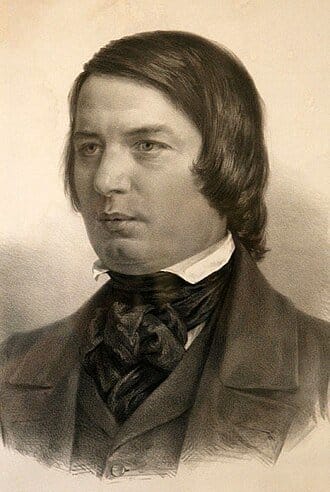
Robert Schumann, born in 1810 in Zwickau, Germany, exhibited musical talents from a young age. His early exposure to the arts came from a family that valued education and creativity, giving him the foundational support needed to cultivate his passion for music. Schumann began his formal piano training under the guidance of Johann Christoph Friedrich Gainza, a local pianist, which cemented his desire to become a concert pianist.
During the early 19th century, the Romantic era was at its pinnacle, a period characterized by emotional expressiveness and virtuosity in music. Piano playing was evolving rapidly, with composers seeking innovative ways to challenge traditional boundaries. Schumann was deeply influenced by the works of his predecessors, including Beethoven and Chopin, whose compositions inspired him to explore new techniques and express his inner feelings through music. He envisioned a career as a virtuoso pianist, yearning to thrill audiences with his performances.
However, Schumann’s aspirations were met with both encouragement and obstacles. His family encouraged his musical endeavors, yet they also pressured him to pursue a more stable profession. Despite these challenges, Schumann’s relentless passion for the piano and commitment to improving his technique propelled him forward. He dedicated countless hours to practice, refining his skills and experimenting with compositional styles. His goal was not merely to replicate the existing piano repertoire but to innovate and contribute something unique to the world of music.
In his pursuit of excellence, Schumann often envisioned revolutionary ideas that would elevate piano playing. His desire to innovate reflected the spirit of the time, as musicians began to embrace individual expression and exploration. This drive to innovate ultimately influenced his later compositions, shaping his legacy as one of the most significant figures in Romantic music, even as his aspirations as a concert pianist faced insurmountable challenges.
The Mechanical Device: A Crippling Innovation
Robert Schumann, renowned for his profound contributions to the world of classical music, embarked on a quest to enhance his piano proficiency through the creation of a mechanical device. This invention was intended to improve his finger dexterity, which had been a significant concern for him, especially as he aimed to reach greater heights in his musical expressiveness. Schumann’s design sought to address the limitations he felt in his playing, spearheading an innovative approach to overcoming the challenges he faced.
The mechanical device was thoughtfully crafted, envisioned as a tool to strengthen finger muscles and enhance coordination. Schumann’s aims were not merely technical; he hoped to transcend his physical constraints and achieve the fluidity and precision necessary for his intricate compositions. Drawing inspiration from various historical instances of devices meant to improve musicianship, he aimed to harness the potential of technology in combination with artistry. The anticipation surrounding its development was palpable, driven by his belief that innovation could pave the way for a more refined piano technique.
However, Schumann’s initial excitement was soon overshadowed by the dire consequences that accompanied his invention. The mechanical device not only failed to provide the anticipated results but also resulted in significant physical harm and exacerbated his existing conditions. As he strained to incorporate this innovation into his practice, the hope of expanding his musical capabilities transformed into a cautionary tale about the perils of relying too heavily on untested inventions. This tragic development marked a pivotal moment in Schumann’s life, revealing the delicate balance between ambition and the realities of human limitations.
The Consequences: A Painful Transition
The tragic consequences of Robert Schumann’s failed invention profoundly impacted his life and career. In his pursuit of a musical ideal, Schumann sustained physical injuries that altered his capacity as a musician. The incident caused severe damage to his right hand, leading to permanent paralysis. This condition not only truncated his aspirations as a pianist but also irrevocably changed his identity as an artist.
The physical ramifications of the injury necessitated an intensive medical evaluation and treatment regimen. Schumann faced a daunting prognosis, as doctors struggled to restore functionality to his hand. Despite their efforts, he was ultimately left with limited movement, curtailing his ability to perform live. This transition from a celebrated pianist to a composer was not merely professional; it was emotionally harrowing. The dexterity and expressive freedom that characterized his early performances were replaced by the frustrations of negotiating a new creative outlet.
Schumann’s psychological journey through this painful transition also warrants attention. The emotional toll of his injury was significant, leading to feelings of despair and helplessness. As he grappled with his new reality, the loss of his performing identity weighed heavily on his spirit. The transformation from active musician to composer introduced a sense of isolation, as the camaraderie found within performance settings dissipated. This shift not only influenced his musical output but also shaped his personal relationships with fellow musicians.
Ultimately, Schumann’s arduous path following the injury is a poignant reminder of the fragility of artistic talent and the various dimensions of identity. Though he did achieve success as a composer, the scars of his past experiences left an indelible mark on his life and legacy. Understanding these consequences offers deeper insights into both the tragic tale of his invention and the resilience of the human spirit in the face of adversity.
Legacy of Schumann: From Pianist to Composer
Robert Schumann’s journey as a musician is a potent reminder of the complex interplay between ambition, failure, and resilience. After the discouraging setback that marked his failed invention of a device meant to enhance piano technique, Schumann turned his passion and frustrations towards composition. This pivotal shift not only refocused his artistic endeavors but also laid the foundation for his enduring legacy as one of the foremost composers of the Romantic era.
Schumann channeled his emotional depth into his compositions, crafting works that reflected both the triumphs and tribulations of the human experience. His intimate knowledge of the piano allowed him to create pieces that resonated with profound expressiveness. Noteworthy compositions, such as the “Carnaval” and “Kinderszenen,” showcase his ability to weave intricate narratives through music, imbuing each note with personal significance. These works have since become staples in the classical repertoire, cherished by performers and audiences alike.
As a composer, Schumann also contributed significantly to the development of art song (Lieder), effectively marrying poetry with music. His song cycles, particularly “Dichterliebe,” encapsulate the emotional landscape of love and longing, illustrating the nuances of the human condition. Through these compositions, Schumann’s legacy transcends mere execution; it embodies a heartfelt message that continues to resonate with listeners across generations.
Moreover, Schumann’s journey highlights the broader themes of ambition and resilience. His early failures did not deter him; instead, they informed his creative process and propelled him towards artistic exploration. As he forged his path in the world of classical music, Schumann exemplified the idea that setbacks can lead to deeper understandings of one’s craft, ultimately fostering growth and innovation.
If you would like more information on these topics, explore the following related posts: