
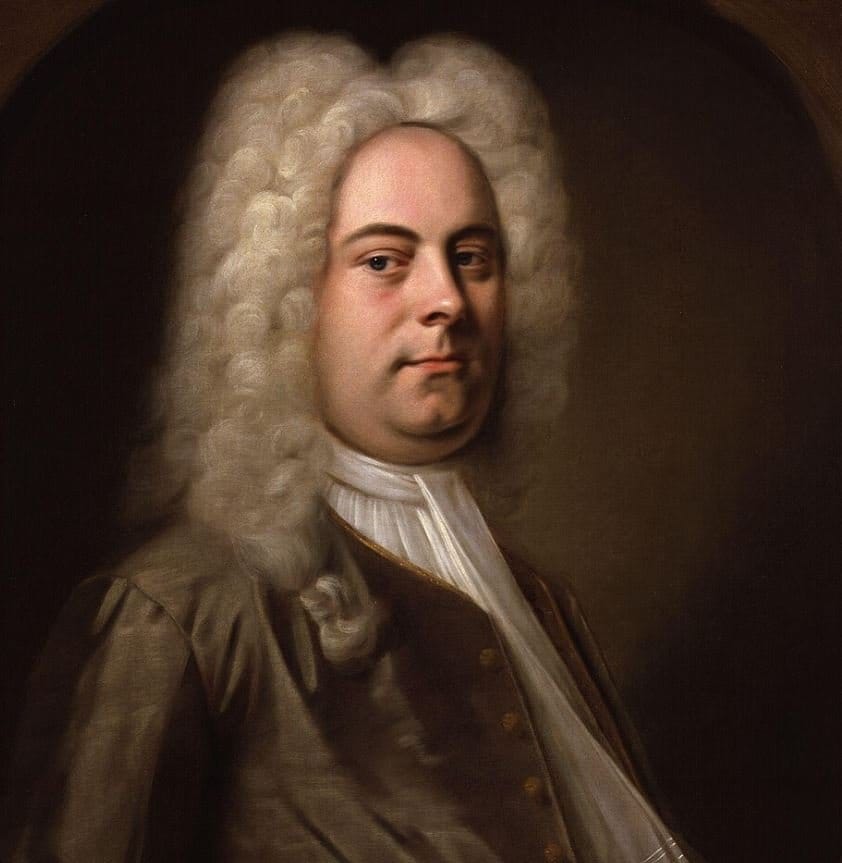
The Background of Handel and His Works
George Frideric Handel, born in 1685 in Halle, Germany, emerged as one of the most prominent composers of the Baroque era. His early education in music, coupled with his exposure to different cultural influences, laid the foundation for his illustrious career. Raised in a musical family, Handel demonstrated prodigious talent from a young age, eventually studying in Berlin under the tutelage of renowned musicians. His formative years shaped his understanding of diverse musical forms, which would later be reflected in his acclaimed compositions.
In pursuit of greater opportunities, Handel relocated to England in 1712. This move not only provided him with a rich environment to develop his craft but also allowed him to establish connections with influential patrons and musicians of the time. Handel’s work during this period was marked by significant contributions to the English oratorio and opera scenes, establishing his reputation as an unmatched composer. He composed several successful operas, such as “Rinaldo” and “Agrippina,” which showcased his ability to blend dramatic narratives with compelling melodies. Yet, despite his achievements, the opera market began to decline in England due to changing public tastes.
The early 18th century was a time of considerable evolution in the realm of music, transitioning from the ornate complexities of baroque styles to more simplified forms. Handel’s unique ability to merge the flamboyance of the Baroque tradition with more accessible elements positioned him as a key figure in this transitional phase. By the time he conceived “Messiah” in 1741, Handel had already amassed a repertoire that included numerous anthems, organ concertos, and oratorios, solidifying his status within the musical community. This context is crucial in understanding the significance of “Messiah” and its revolutionary impact on sacred music.
The Inspiration Behind Messiah
George Frideric Handel’s composition of Messiah is often regarded as a testament to both his prodigious talent and the spiritual fervor that surrounded him during its creation. The inspiration for this monumental oratorio emerged from a variety of sources, chiefly stemming from the biblical text compiled by Charles Jennens. Jennens meticulously chose passages from the Old and New Testaments that not only epitomize the life of Christ but also encapsulate profound religious themes such as redemption, hope, and salvation. This choice of scripture is fundamental, as it provides the framework within which Handel conveyed the emotional depth and theological significance of the narrative.
Handel’s own religious convictions and his background in both the German and English musical traditions greatly influenced his approach to Messiah. His experiences in various European courts and his encounters with different musical styles allowed him to integrate diverse elements into his compositions. The socio-religious context of early 18th-century England, a time marked by both fervent faith and burgeoning secularism, further motivated Handel. The public’s yearning for spiritual connection and reflection during this period was palpable, and it is evident that Handel responded to this need through his music.
Moreover, the urgency with which Handel composed Messiah—over the span of just 24 days—can be attributed to a combination of his zeal for philanthropy and his desire to elevate the human spirit through music. He wrote this oratorio not only as an artistic endeavor but also as a means of fostering community and religious introspection. The rapidity of its creation, paired with the profound emotions encapsulated within the score, reflects the unique synergy between Handel’s personal beliefs, the contemporary religious atmosphere, and the poignant texts that inspired this remarkable work.
The Composition Process: 24 Days of Creativity
The remarkable composition of George Frideric Handel’s Messiah transpired over an astonishingly brief period of just 24 days, a feat that continues to captivate musicologists and enthusiasts alike. Handel commenced this monumental task on August 22, 1741, and completed it on September 14 of the same year. During this time, the composer was in a state of intense creative focus, driven by his deep spiritual convictions and the desire to share the message of the oratorio with the world.
Handel maintained a rigorous daily routine throughout this intense compositional sprint. His early mornings involved constant examination of biblical texts that informed the libretto, crafted by Charles Jennens. As he meticulously set these sacred words to music, the composer often worked from sunrise till late at night, demonstrating an unparalleled commitment to his craft. This exhaustive schedule allowed Handel to produce a full score comprising over 260 pages, showcasing his prolific output during these weeks.
One notable aspect of his composition process was Handel’s ability to tap into different musical styles and emotional expressions, which enriched the overall experience of Messiah. He often experimented with various musical forms, employing techniques such as counterpoint and monody, to evoke strong feelings in his listeners. Despite the fast-paced nature of his work, Handel’s psychological state appears to have been primarily one of inspiration and determination. There were moments of doubt, as evidenced by his challenging journey of balancing thematic complexity with musical clarity.
Additionally, Handel faced logistical challenges, including a lack of resources and the pressure of public expectation. However, through sheer creativity and resourcefulness, he managed to overcome these obstacles, emerging with a timeless masterwork. The composition of Messiah remains a testament to human creativity and the transformative power of music, achieved within an extraordinarily brief time frame.
Why this matters for composers today
Handel’s creation of Messiah in just 24 days is not only a historical curiosity — it reveals an important truth about composition: inspiration and structure must coexist. Rapid creation is possible when a composer has internalized orchestration, form, and expressive intent.
This principle continues to influence my own work, particularly when developing chamber and cinematic pieces where emotional clarity and structural efficiency are essential.
The Legacy of Messiah and Its Cultural Impact
Since its premiere in 1742, Handel’s Messiah has left an indelible mark on the landscape of classical music and continues to resonate with audiences around the globe. This masterpiece has transcended its initial performance, becoming a centerpiece of Christmas traditions in various cultures. The work’s powerful themes of redemption and hope resonate deeply during the holiday season, prompting countless performances each year. Its melodic beauty and profound lyrics not only evoke spiritual reflection but also foster a sense of communal celebration, making it a ubiquitous presence in holiday festivities.
Over the centuries, receptions of Messiah have led to varied interpretations and adaptations, influencing subsequent performances across diverse musical styles. Originally conceived for a modest setting, the oratorio has been reimagined in grand concert halls, featuring a wide range of instrumental and vocal configurations. This adaptability has allowed Messiah to maintain its relevance, as countless artists and ensembles strive to bring their interpretations to life. The work has inspired a wealth of recordings, each reflecting the unique vision of the performers while staying true to Handel’s composition.
Among the most recognizable segments of Messiah is the ‘Hallelujah Chorus,’ which has become a cultural phenomenon in its own right. Its stirring conclusion has led to various arrangements, parodies, and references in popular culture, further solidifying its status as a timeless component of the classical repertoire. Audiences today readily identify this piece, showcasing the lasting impact of Handel’s genius. The enduring popularity of Messiah not only exemplifies its place in the world of music but also highlights the profound way in which art can connect us, inspire us, and remind us of our shared human experience.
Compositional reflection
Studying Handel’s creative process has influenced my own approach to composing short narrative pieces, where emotional continuity and structural clarity are essential.
You can listen to one of my cinematic chamber studies inspired by historical compositional storytelling here:
https://pilpilmusic.com/releases/
If you would like more information on these topics, explore the following related posts: