
Introduction to John Cage and His Philosophy
John Cage (1912-1992) was an influential American composer, music theorist, and artist, renowned for his innovative approach to music that sought to challenge traditional notions of sound and silence. As a key figure in the avant-garde movement, Cage’s works and ideas have had a profound impact on both the music world and contemporary art. His most famous piece, 4’33”, is often cited as a pivotal example of his philosophy, inviting listeners to engage with the ambient sounds surrounding them rather than the music itself.
Cage’s philosophy was deeply rooted in the idea that music extends beyond the mere arrangement of notes. He proposed that all sound has the potential to be music, an idea that challenges conventional boundaries and invites listeners to reconsider their perceptions. He famously stated, “There is no such thing as an empty space or an empty time; there is always something to see, hear, and experience.”Cage valued the unpredictability of sound and often incorporated chance operations in his compositions, allowing for spontaneity and freedom in performance. His methodology created an environment where silence and ambient noise were celebrated as integral elements of the musical experience. Through this lens, he reframed music as a broader artistic expression.
The influences of Eastern philosophy, including Zen Buddhism, further shaped Cage’s views. He embraced concepts such as mindfulness and non-attachment, prompting audiences to immerse themselves in the present moment. This philosophy paved the way for many of Cage’s experimental compositions, including the monumental Organ²/aslsp, which reflects his belief in pushing the limits of sound and time. Through understanding Cage’s philosophical underpinnings, we can gain deeper insights into the significance and meaning of his works, ultimately appreciating the legacies that continue to resonate within contemporary music and art.
The Concept of Organ²/aslsp
John Cage’s composition, Organ²/aslsp, emerged in the 1980s as a profound exploration of time and sound. This avant-garde piece stretches the conventional limits of music, proposing a unique set of parameters that challenge traditional performance. The title, which stands for “as slow as possible,” explicitly defines the essence of the work: an indefinite duration that encourages the performer to explore sound in a contemplative, unhurried manner. The entire performance can take up to 639 years to complete, significantly exceeding the typical timeframe associated with musical pieces.
The instructions provided by Cage give performers the freedom to interpret musical notes, allowing the work to evolve organically over a long period. This open invitation reflects Cage’s philosophy that sound is not merely a series of notes played in succession but rather an exploration of silence and the environment. The piece was designed to be performed on an organ, yet its impact resonates beyond that specific instrument, inviting interpretations across diverse musical contexts.
Significantly, Organ²/aslsp prompts listeners to experience time differently. Unlike traditional compositions that are often defined by a fixed duration and structure, this work encourages meditation on the unfolding of sound, the pauses in between, and the spaces that exist within music. This artistic approach resonates with Cage’s broader view that all sound is music and that silence itself is integral to the auditory experience.
Overall, Organ²/aslsp represents a radical departure from established norms, redefining how both performers and audiences perceive the passage of time and the act of listening in the realm of music.
The Historic Halberstadt Performance
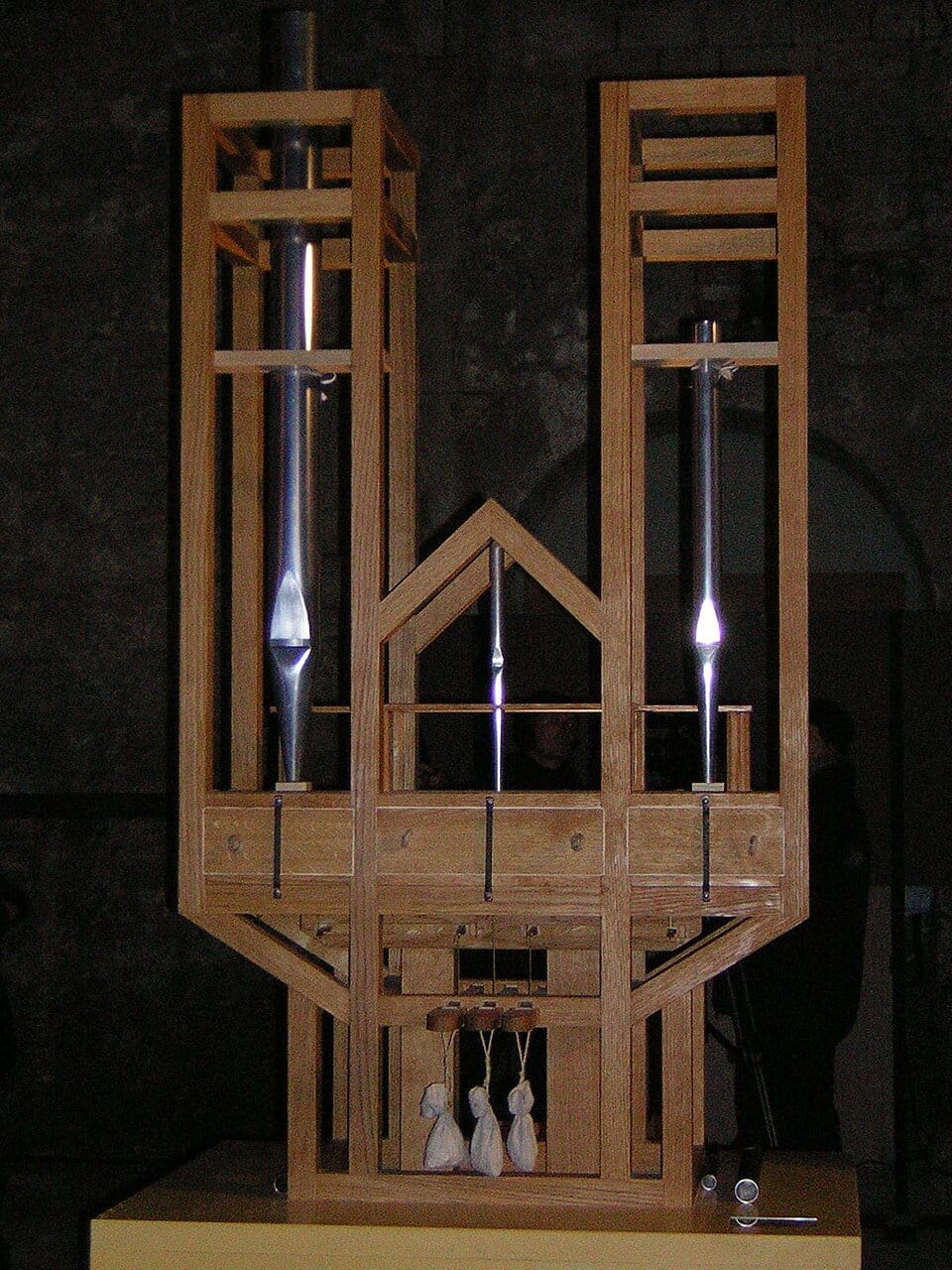
The performance of John Cage’s renowned piece, Organ²/aslsp, originating in Halberstadt, Germany, has been an extraordinary cultural phenomenon since its launch in 2001. This monumental performance, which is envisioned to extend for an astounding 639 years, is unprecedented in the history of musical expression. The Organ²/aslsp performance is staged at the St. Burchardi Church in Halberstadt, where a specially constructed pipe organ has been designed to facilitate the unique requirements of this long-duration project.
The initiative behind this remarkable undertaking is the John Cage Organ Project, an organization committed to exploring Cage’s innovative vision and challenging conventional perceptions of time and music. While the sound of the notes evolves slowly, the artistic intentions behind the performance encourage a deeper appreciation for sound itself, engaging audiences on multiple sensory levels.
Over the years, the performance has attracted a diverse audience from local community members as well as international visitors, all curious to experience a musical duration that exceeds typical human comprehension. The reception of this continuous performance has been both contemplative and participatory, encouraging discussions regarding the intersection of art, time, and existence.
Notable milestones in the performance include scheduled note changes, with the first significant transition occurring in 2026. This gradual evolution becomes a focal point for both spectators and participants, fostering a sense of curiosity about the nature of musical change and the passage of time. Halberstadt has thus become a site of pilgrimage for both music enthusiasts and those intrigued by Cage’s philosophical inquiries.
The ongoing performance not only celebrates John Cage’s legacy but also exemplifies a modern exploration of performance art that challenges societal notions of time, listener engagement, and the very essence of music itself, inviting communities to rethink their relationship with sound.
Cultural Implications and Lasting Influence
John Cage’s Organ²/aslsp stands as a significant artwork that challenges our conventional understanding of music and time. By extending the performance of a single note to an unprecedented length, Cage invites audiences to consider the relationship between sound, silence, and their own perceptions of duration. This composition transcends traditional music by blurring the lines between performance and installation art, which reflects a broader trend in modern art that engages deeply with temporal elements. In a fast-paced world characterized by instantaneous gratification, Cage’s insistence on patience allows audiences to cultivate a deeper awareness of time and its passage.
Cage’s legacy in contemporary music and art is multifaceted. His exploration of chance, silence, and unconventional approaches to sound began a dialogue that continues to resonate within various artistic communities. Artists and musicians influenced by Cage often grapple with the implications of his work, leading to innovative explorations that push the boundaries of what constitutes music and performance. His commitment to the idea that any sound can be musical has opened avenues for countless artists to reinterpret their own practices.
Moreover, Organ²/aslsp poses thought-provoking questions about attention and perception. In an age where attention is fragmented, Cage’s work challenges audiences to engage deeply with a singular moment, prompting reflections on mindfulness and the nature of listening. As listeners are confronted with a stark contrast to the typical concert experience, the performance evokes discussions about the value of extended listening and the act of being present in a moment. Such conversations remind us of the importance of reflection and stillness in a society increasingly dominated by noise and distraction.