
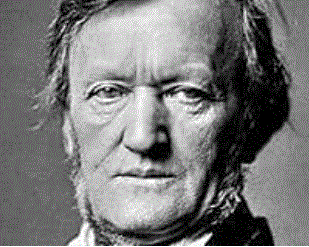
The Context of Wagner’s Letter
The letter penned by Richard Wagner to Friedrich Nietzsche in the late 19th century stands as a testament to the complexities of their relationship, set against a backdrop of significant cultural and philosophical transformations. Wagner, a prominent composer and conductor of the time, forged a friendship with Nietzsche, a philosopher known for his influential ideas that challenged conventional morals and beliefs. Their friendship, however, was not merely personal; it also explored the intersection of art and philosophy, marking a crucial turning point in both their lives.
This correspondence arose during a period marked by intense intellectual exchange in Germany, where the burgeoning ideas of existentialism and modernism were taking root. These concepts significantly influenced both men, shaping their thoughts on art, society, and the role of the artist. Wagner’s operatic innovations sought to synthesize music, theater, and the spoken word, while Nietzsche’s philosophical inquiries delved into the meaning of existence, morality, and the nature of truth. It is within this vibrant cultural climate that Wagner’s heartfelt words must be understood.
The nature of Wagner and Nietzsche’s bond was characterized by admiration and a shared vision for a transformative cultural landscape, although it was often fraught with tension. Wagner, seeking validation and connection, expressed his affection in a manner that was candid yet clumsy, revealing his vulnerabilities. This letter not only illustrates the depth of their friendship but also reflects Wagner’s struggle to articulate his feelings in a rapidly changing world. The significance of this correspondence, then, is twofold; it highlights personal sentiments while also encapsulating the broader cultural milieu of the age, enriching our understanding of both figures and the era they inhabited.
Wagner’s Affection for Nietzsche
Richard Wagner’s correspondence reveals a complex emotional landscape, particularly in his expressions of affection towards his contemporaries, including Friedrich Nietzsche. One significant phrase that encapsulates Wagner’s sentiments is his ranking of relationships, articulated through his whimsical comment about his fondness for his dog and wife. This statement, while seemingly light-hearted, offers profound insights into Wagner’s hierarchy of companionship and loyalty.
The phrase ‘between my wife and my dog’ serves to signify the deep emotional connections Wagner fostered in his life. His dog represents unwavering loyalty and genuine companionship, perhaps symbolizing an ideal form of friendship devoid of societal complexities. In contrast, women, epitomized by his wife, embody a different relational dynamic characterized by both affection and tension. This suggests an inherent struggle within Wagner’s understanding of male-female relationships, highlighting his inclination toward valuing loyalty in male friendship over the complexities often found in romantic relationships.
Wagner’s emotional expression reveals his ambivalence towards societal norms of affection that prevail today. His delineation of love, friendship, and loyalty challenges contemporary paradigms that emphasize egalitarianism. In Wagner’s world, love and affection were often entwined with a hierarchical structure that prioritized male camaraderie. This perspective diverges markedly from modern views that promote equally shared emotional bonds regardless of gender. Through his writings, Wagner elucidates a philosophy that appreciates the nuanced layers of male relationships and their unequivocal valorization in his life.
This layered understanding of friendship shapes our interpretation of Wagner’s broader views on intimacy and loyalty, illuminating the ways in which his sentiments contrasted sharply with evolving norms. By examining these historical aspects of affection, we can better appreciate the motivations driving Wagner’s relationships in a continually transforming social landscape.
Nietzsche’s Response and Interpretation
Friedrich Nietzsche’s reaction to Richard Wagner’s expressions of affection provides a compelling insight into their complex relationship. While the letters exchanged between Wagner and Nietzsche elucidate a deep bond, Nietzsche often perceived Wagner’s attempts at closeness as somewhat awkward. His philosophical outlook on relationships, which emphasized the importance of authenticity and depth, rendered him critical of what he considered insincere expressions of camaraderie. Nietzsche valued strength and individuality in human connections, contrasting with Wagner’s more sentimental inclinations.
In several correspondences, Nietzsche responded to Wagner’s clumsy attempts at emotional vulnerability with a mixture of admiration and skepticism. He acknowledged the depth of Wagner’s intention, yet critiqued the execution—suggesting that true affection should transcend superficial displays. This tension reflects Nietzsche’s broader philosophy regarding relationship dynamics, where he sought a more profound connection rooted in mutual respect and understanding, rather than mere emotional displays.
However, the impact of Wagner’s affection on their friendship was not entirely negative. Nietzsche’s acknowledgement of Wagner’s emotional side provided a sense of complexity in their interactions, fostering an environment where intellectual and emotional investments coexisted. This duality often led Nietzsche back to Wagner, drawn by the allure of Wagner’s genius despite his reluctance regarding the emotional expressions involved.
Ultimately, Nietzsche’s reflections on their friendship reveal a nuanced interplay of admiration and critique. His philosophical lens often colored his perception of relationships, framing Wagner’s expressions of affection as both a point of connection and contention. This intricate balance between critique and appreciation serves to illustrate the depth of their intellectual companionship, showcasing the ways in which both thinkers navigated the nuances of love, camaraderie, and artistic collaboration.
The Legacy of Their Friendship
Richard Wagner and Friedrich Nietzsche shared a complex and transformative friendship that profoundly influenced their respective works and philosophical outlooks. Initially bonded by mutual admiration, the relationship led to a creative and intellectual exchange that would leave an indelible mark on both art and philosophy. Wagner, a seminal composer of the 19th century, found in Nietzsche not only a philosophical companion but also an enthusiastic supporter of his artistic endeavors. Conversely, Nietzsche, a burgeoning philosopher, saw in Wagner a source of inspiration that reaffirmed his thoughts on art and existence.
Wagner’s operatic works, steeped in themes of love, redemption, and myth, absorbed Nietzsche’s ideas, particularly the notion of the “Übermensch” or superior man. This philosophical principle is echoed in Wagner’s later compositions, where characters often embody Nietzschean ideals of struggle and transcendence. Nietzsche’s initial reverence for Wagner, as articulated in his early writings, demonstrates how deeply their friendship shaped his viewpoint on art as a vital expression of the human experience.
Over time, however, the friendship soured, primarily due to Nietzsche’s growing disillusionment with Wagner’s nationalism and apparent anti-Semitism. This shift marked a turning point in their relationship, leading Nietzsche to distance himself from Wagner’s influence. Despite this estrangement, the legacy of their friendship endured, prompting further exploration of the intersections between music and philosophy. Various contemporary interpretations of their relationship suggest that even in divergence, their ideas continue to stimulate discourse on creativity, friendship, and the depths of human connection.
In examining Wagner and Nietzsche’s friendship, one recognizes the multifaceted nature of influence in art and thought. Their relationship exemplifies how friendships can act as both a source of inspiration and conflict, ultimately shaping the intellectual landscape for generations to come.
If you would like more information on these topics, explore the following related posts: