
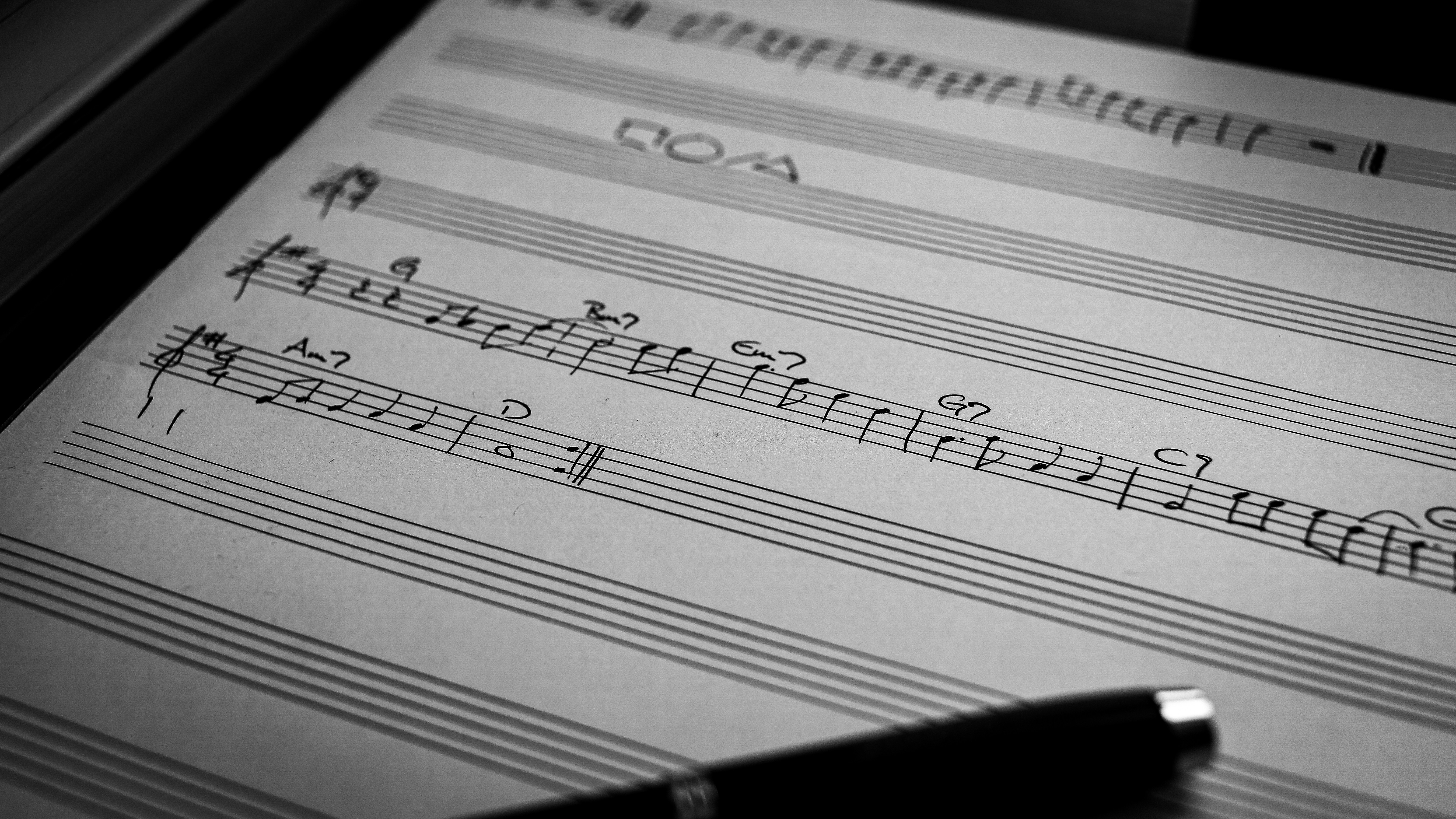
Instrumental music tells stories without using a single word. A melody, a harmonic progression, or the sound of a particular instrument can evoke memories, landscapes, or emotions as vividly as any text.
Every composer develops a personal creative workflow. There is no universal formula, but over the years I have developed a process that helps me transform an initial musical idea into a finished composition.
This article describes, step by step, how I compose instrumental music, from the first harmonic sketch at the piano to the final orchestration.
Every Composition Starts with an Idea
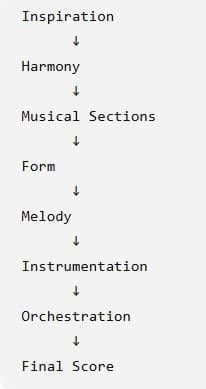
The first practical step in my process is creating a harmonic sequence. Before writing melodies or choosing instruments, I build a progression of chords that reflects the atmosphere I want for the piece.
This harmonic progression becomes the foundation of the first section of the composition, which I often think of as section A.
Once this initial section is defined, I repeat the same process for additional sections. I may write a contrasting harmonic progression for section B, and sometimes another for section C. These sections later allow the piece to develop contrast and variety.
Building the Musical Structure
After creating several harmonic sections, I begin to organize them into a musical form. Common structures include:
- ABA
- ABCA
- other combinations depending on the piece
At this stage, the piece already has a structural backbone even before the melodies are written.
Writing the Melody
Before writing melodies, I focus on harmony because harmony defines the emotional world of the composition. Once the harmonic language is established, melodies emerge much more naturally.
Once the harmonic framework and sections are clear, I start composing the melodies. Each section receives its own melodic material, shaped by the character of its harmony.
Because the harmonic structure is already established, the melodies tend to emerge naturally, following the emotional direction suggested by the chords.
Composing at the Piano
Most of my compositions start at the piano. The piano allows me to hear harmony, rhythm, and melody simultaneously while exploring the musical ideas.
Working at the piano helps me focus on the essence of the composition without thinking about orchestration too early.
Choosing the Right Ensemble
When the piece is already clearly defined in its piano form, I decide which instrumentation best suits the music. The choice depends on the character of the composition: some ideas work better for strings, others for woodwinds, small ensembles, or mixed instrumentation.
Orchestrating the Music
After selecting the instrumentation, I transfer the entire piece to the chosen ensemble. During this stage, the music is adapted to the expressive possibilities of each instrument.
This includes distributing the musical lines, adjusting registers, and refining the textures.
Finally, I add the detailed articulations and expressive markings that bring the piece to life: dynamics, phrasing, and the specific articulations available to the selected instruments.
A Personal Process
Every musician develops their own way of composing. Each composer has a personal “formula” or workflow that reflects how they think about music and how they organize their creative process.
The method described here is simply the one that works for me. It is not necessarily the best method, nor the only possible approach. The most important thing for any composer is to find a process that feels natural, comfortable, and productive for their own way of creating music.
For example, in my album Faces & Places, several compositions started with a simple harmonic progression inspired by a specific place or memory before any melody was written.
Conclusion
Although my workflow has remained largely consistent over the years, every composition presents its own challenges. Sometimes the harmony comes first; on other occasions, a melodic fragment unexpectedly becomes the seed of the entire piece.
What never changes is the goal: creating instrumental music capable of telling a story without relying on words.
If you’re curious to hear the result of this compositional process, I invite you to explore my albums and individual pieces available on this website. Each composition reflects the same creative approach described in this article.
You may also enjoy these related articles: