
The History of the Aeoliphone
The aeoliphone, a unique musical instrument that simulates the sound of the wind, was conceived in the early 19th century. Its invention is often attributed to the French instrument maker, Claude Debussy, although some sources suggest that the inspiration for this instrument can be traced back to the ancient Greeks who created wind instruments to reflect the sounds of nature. The aeoliphone was designed to enrich orchestral compositions by incorporating natural sound elements, capturing both the essence of the wind and the subtleties of musical interpretation.
Historically, the aeoliphone was introduced during a period of significant musical experimentation. Composers and musicians were eager to explore new sounds and timbres, leading to its initial acceptance in orchestral settings. As orchestras began to incorporate the aeoliphone into their ensembles, its ethereal sounds created a distinct auditory experience that resonated well with audiences, effectively bridging the gap between nature and art. The instrument’s capability to evoke the feeling of wind led to its fascination among many composers who sought to integrate its sounds into their work.
Over the decades, the aeoliphone has undergone various modifications to enhance its tonal quality and playability. Adaptations were made to suit the evolving preferences of musicians and orchestral needs, leading to diverse interpretations of its sound. Although its popularity has waxed and waned over time, the aeoliphone remains a symbol of creative exploration in music history. Its ability to emulate nature’s whispers showcases the ongoing relationship between instruments and the environment.
Design and Working Mechanism of the Aeoliphone
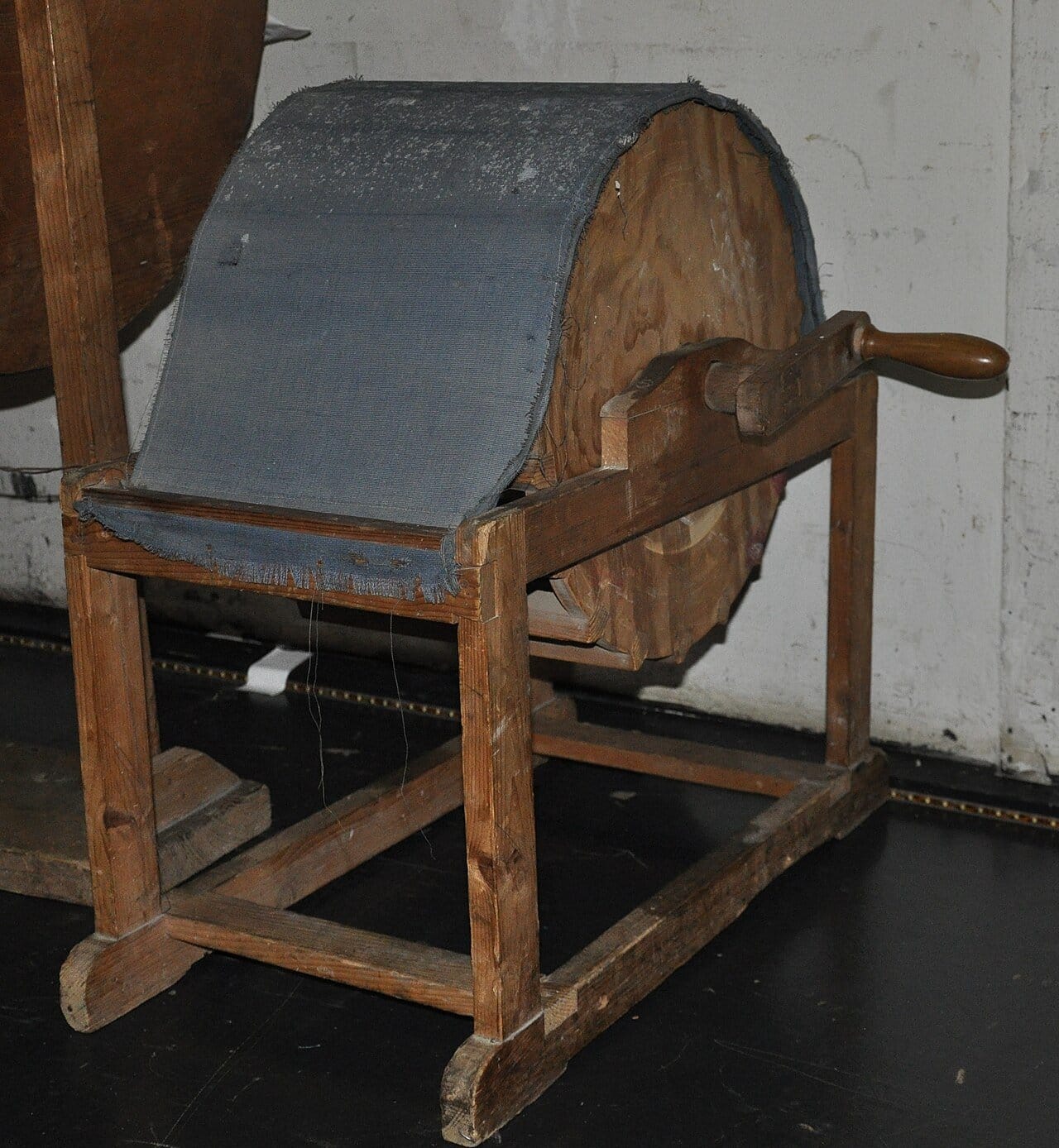
The aeoliphone is a unique musical instrument that produces sound through the manipulation of wind and air. At its core, the aeoliphone consists of a wooden cylinder, which is the primary body of the instrument. This cylindrical design is essential, as it helps to amplify the sound produced by the interaction of air with the slats connected to the cylinder.
To generate sound, the aeoliphone utilizes a crank handle that, when turned, activates the airflow through the instrument. The user manually turns the handle, enabling a stream of air to pass across the slats positioned in front of the cylinder. These slats can be made of various materials, such as bamboo or metal, each contributing distinct tonal qualities to the sound produced. The vibration of the slats, caused by the rushing air, results in a harmonious and wind-like sound, reminiscent of the natural environment.
In addition to the wooden cylinder and slats, the construction often incorporates materials like silk or durable canvas for the instrument’s vibrating component. Silk, known for its lightweight properties, allows for efficient sound production, while canvas can offer a more robust sound body. The choice of material significantly influences the tonal character and sustain of the notes produced. Furthermore, the tension and thickness of the slats can be adjusted to create a variety of sound effects, showcasing the aeoliphone’s versatility.
The intricate design of the aeoliphone, with its combination of craftsmanship and physics, illustrates how innovative engineering can create the essence of sound within a musical context. Understanding the mechanism and materials is crucial for musicians who wish to explore the full range of sounds this remarkable instrument has to offer.
The aeoliphone, an intriguing wind instrument, has carved out a distinct niche in the modern music landscape. While traditionally associated with folk and classical music, its unique sound and ethereal quality have made it a compelling choice for contemporary composers and musicians who seek to explore new sonic territories. In recent years, the aeoliphone has started to see a resurgence in orchestras and chamber ensembles, bridging the gap between ancient tradition and modern innovation.
Several notable contemporary compositions have embraced the aeoliphone, placing it in the spotlight and allowing its haunting tones to enrich the orchestral palette. Composers such as John Adams and Tan Dun have successfully integrated the aeoliphone into their works, showcasing its ability to evoke feelings of nature and the elemental. In performances, musicians often interpret its sound with great creativity, using techniques that allow them to manipulate airflow and pressure for varied tonal colors. This interpretive freedom contributes to the instrument’s role in modern composition, welcoming a range of influences from minimalism to experimental music.
Additionally, the aeoliphone’s adaptability has led to its crossover into genres beyond classical music. In fusion and world music settings, the instrument has found a place among diverse ensembles, blending with instruments from various cultures to create rich textures and innovative soundscapes. The collaborative nature of modern music often leads to the aeoliphone being featured in unique pairings, inviting intriguing dialogues between different instrumental voices.
Overall, the aeoliphone serves as a testament to the evolving landscape of musical expression. Its presence in modern orchestras and new compositions reaffirms the relevance and versatility of this ancient instrument, proving that even in today’s fast-paced music scene, the sounds of the wind can still take center stage.
Playing the Aeoliphone: Techniques and Tips
The aeoliphone is a fascinating instrument that produces a sound synonymous with the wind. Playing this unique device requires an understanding of both its mechanics and the environmental factors that affect its sound. Musicians looking to master the aeoliphone should focus on a few core techniques that will enhance their playing experience and sound quality.
First, it’s essential to understand the proper positioning and setup of the aeoliphone. The instrument comprises a series of tubes and a resonating chamber that captures the wind-generated sound. Ensure that the tubes are aligned correctly with the airflow, as any obstruction can diminish the tonal quality. An open area with consistent airflow can provide the best conditions for performance, allowing the instrument to resonate beautifully.
Next, the playing technique involves manipulating the airflow through the instrument. Musicians can achieve varied sounds by altering the strength and direction of the wind. Use gentle breezes to create soft, ethereal notes while a stronger gust may produce more robust, dynamic tones. Experimenting with various sounds will not only enhance the musician’s skill but also contribute to a unique performance piece.
Moreover, integrating the aeoliphone into various musical styles can broaden its appeal. Consider incorporating the aeoliphone into orchestral arrangements or contemporary compositions, and explore how its wind-inspired sound can interact with different instruments. Coordination with other musicians is vital; establishing a clear understanding of dynamics can create a harmonious blend of sounds.
Lastly, practice is key. Devote time to experiment with the instrument, learning how to control tones effectively. By combining techniques and leveraging the natural elements, musicians can unlock the aeoliphone’s potential, transforming wind into captivating melodies.
If you would like more information on these topics, explore the following related posts: